Pharmaceutical AI Translation Platform

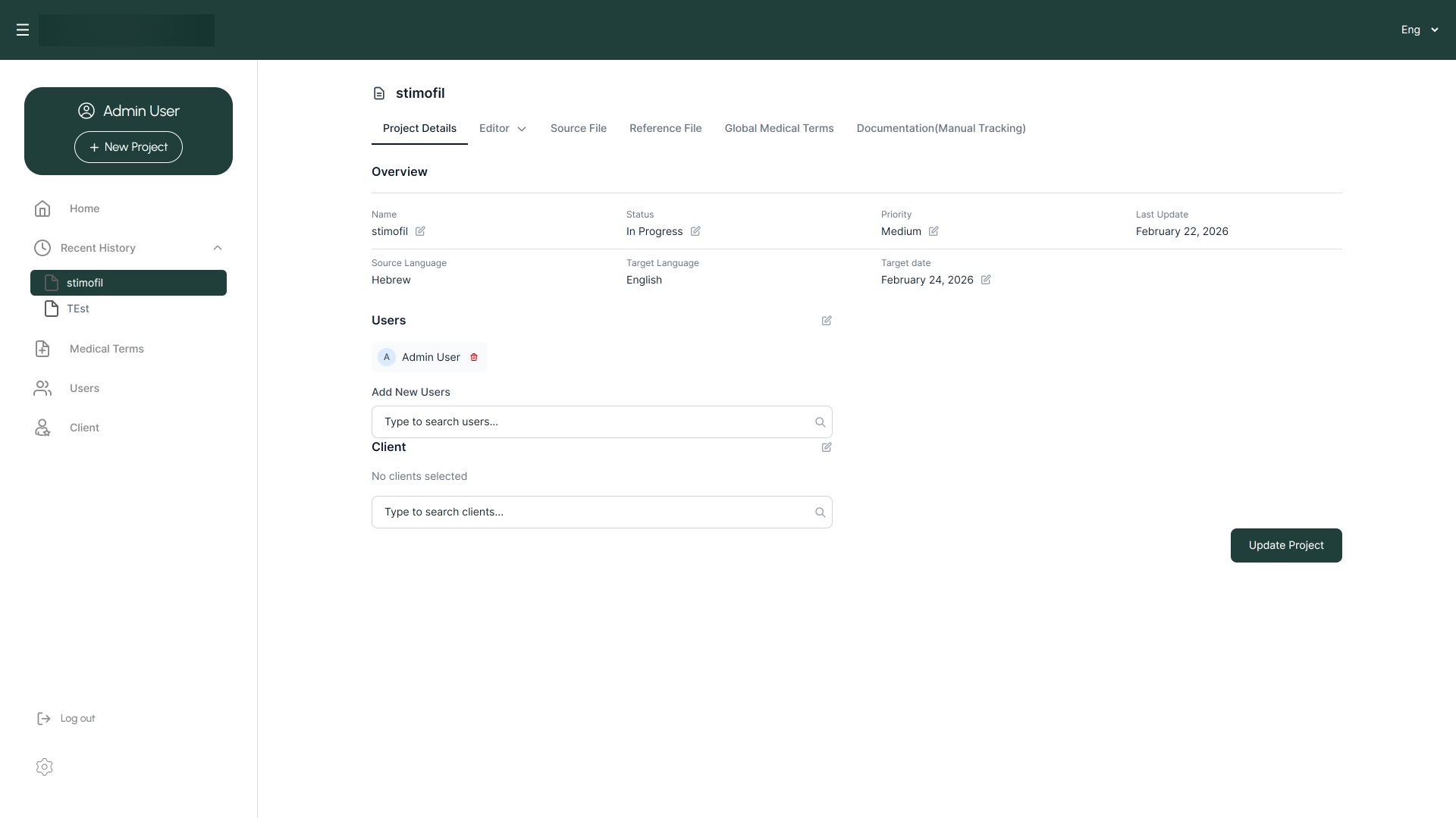
This AI-powered pharmaceutical translation platform automates the translation of Hebrew Patient Information Leaflets (PILs) into regulatory-compliant English documents while preserving clinical accuracy, formatting consistency, and medical terminology integrity. Built specifically for pharmaceutical and regulatory environments where quality, consistency and compliance are critical, it generates high-quality English drafts within minutes — minimizing hallucinations, preserving clinical meaning, and maintaining the exact document structure required for regulatory submissions.

+

image

Key Challenges and Solutions

Slow Translation Processes

  • Medical and pharmaceutical translation requires specialized expertise and extensive manual review; translating structured clinical documents manually delays regulatory submissions. The platform generates translation-ready English drafts within minutes, dramatically reducing turnaround time.

High Translation Costs

  • Professional pharmaceutical translation is expensive due to medically trained translators and multiple QA stages. The platform reduces dependency on fully manual workflows, significantly lowering cost while maintaining quality.

Terminology Inconsistency

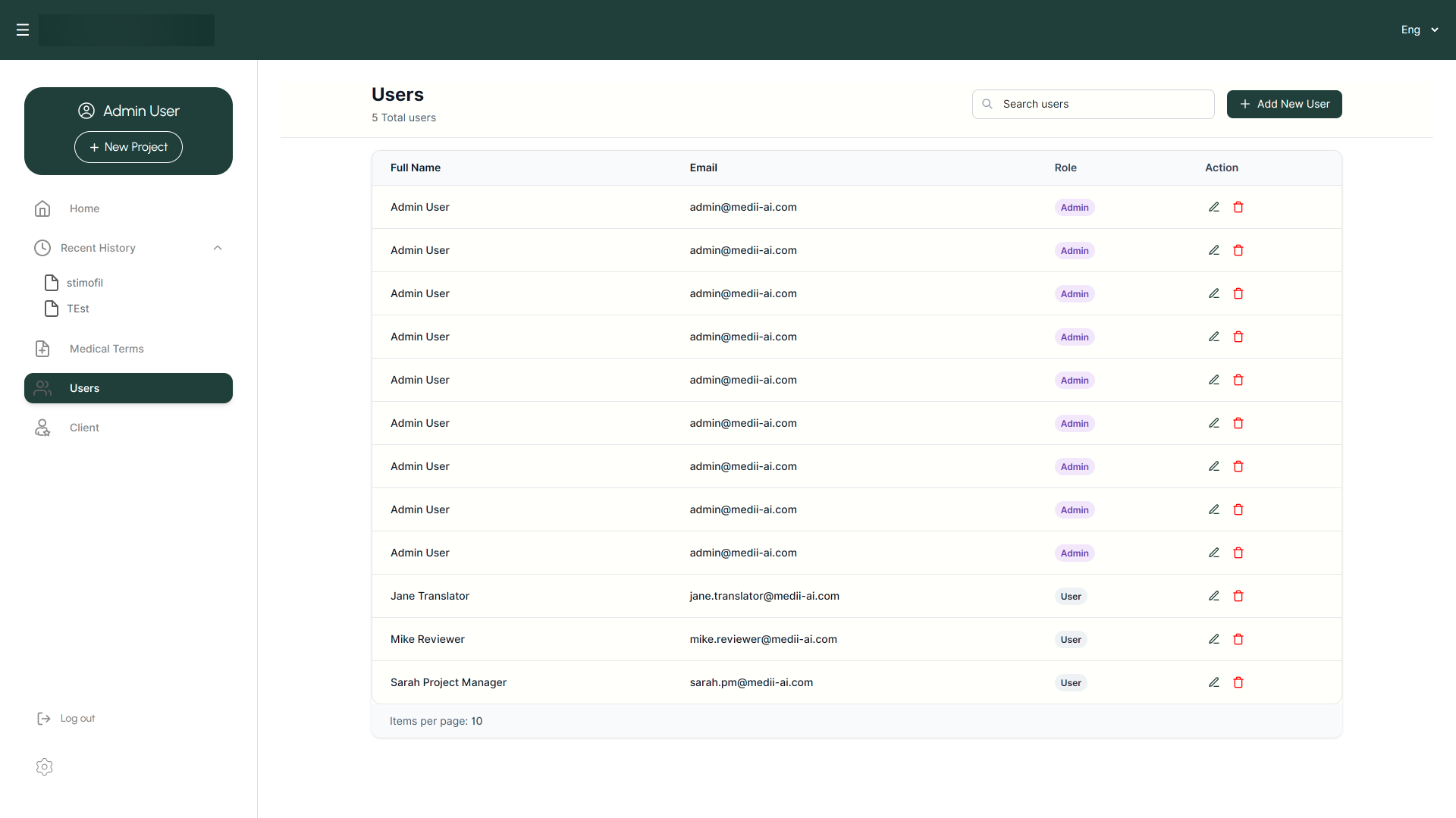
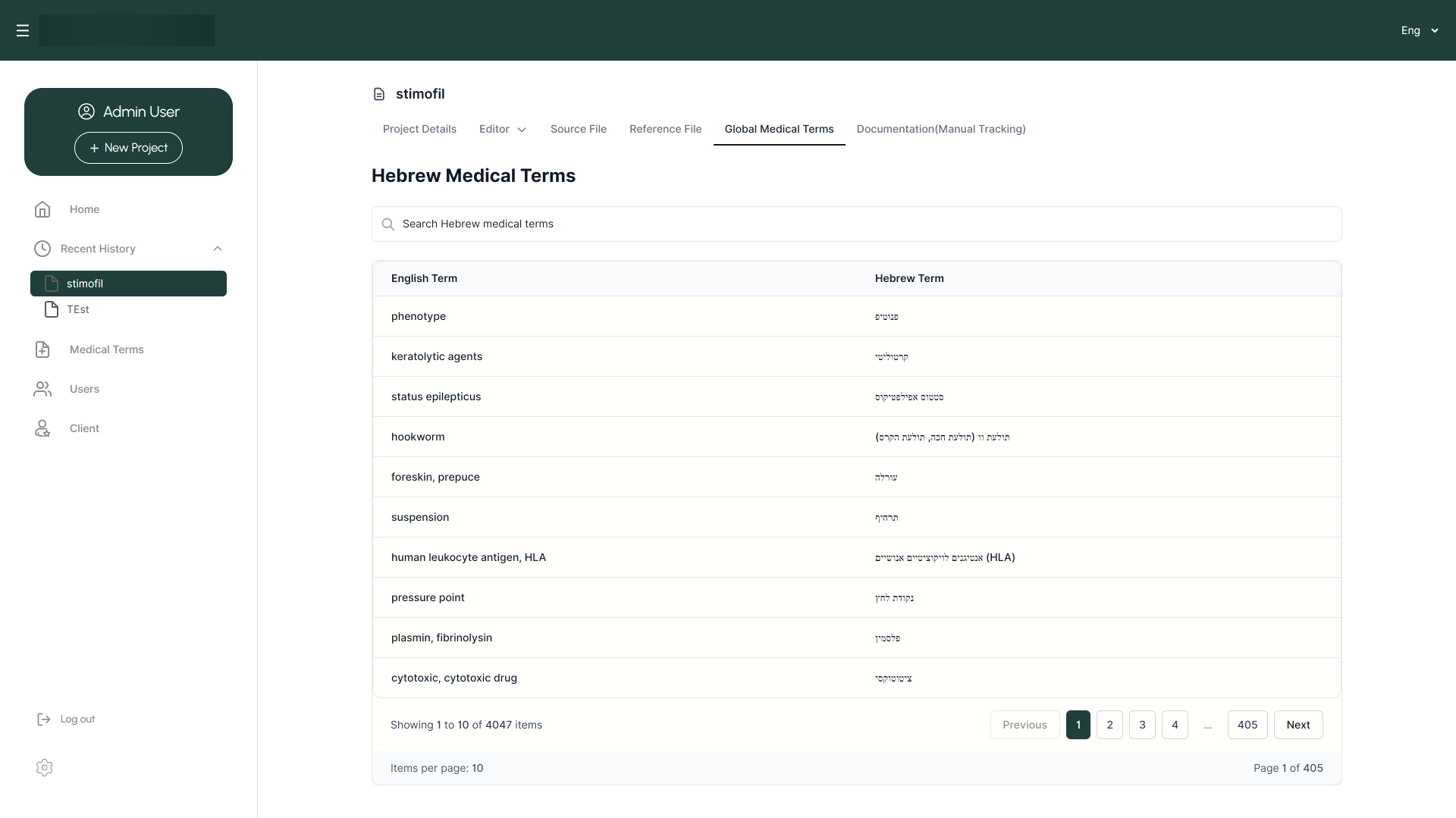
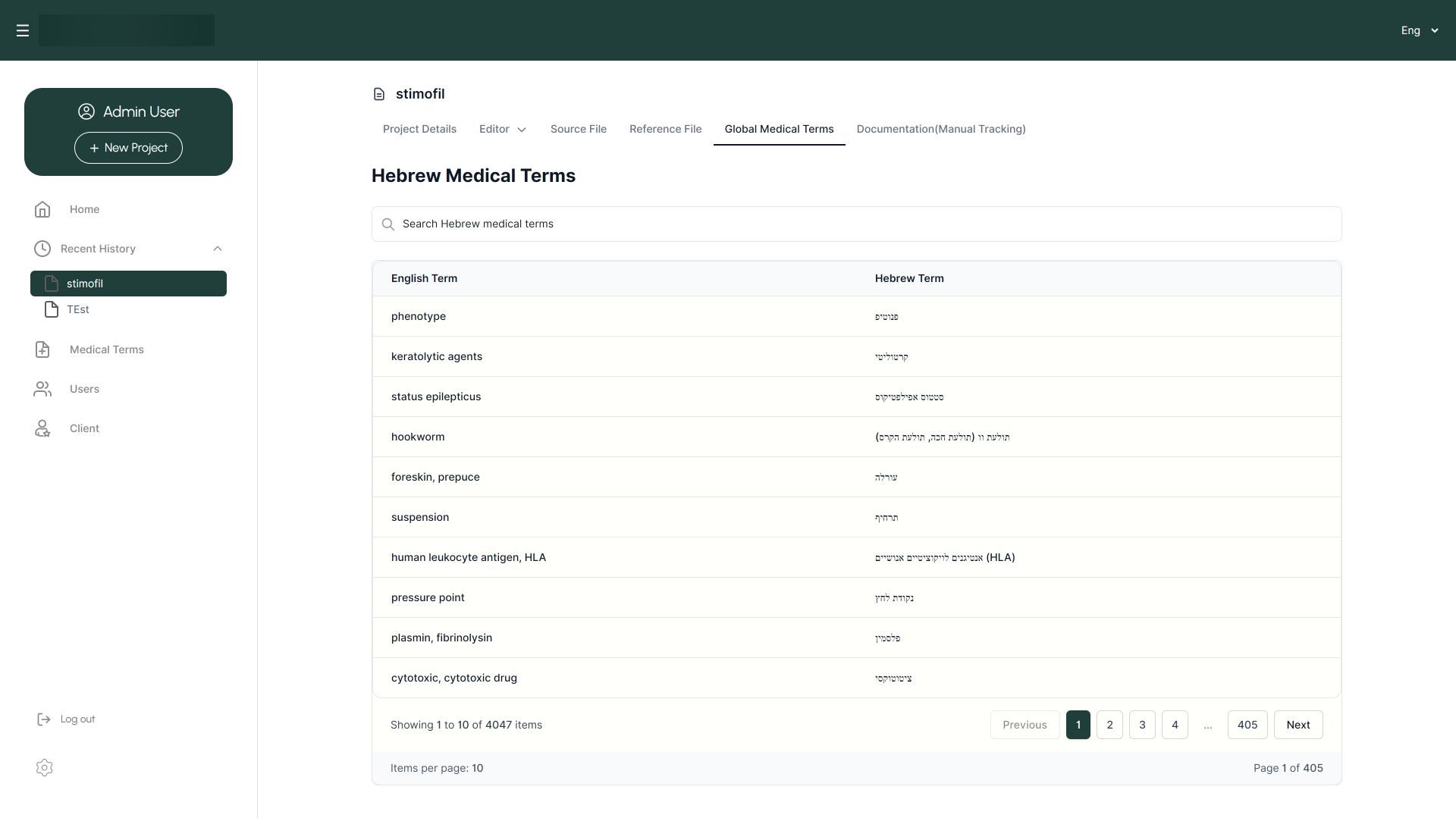
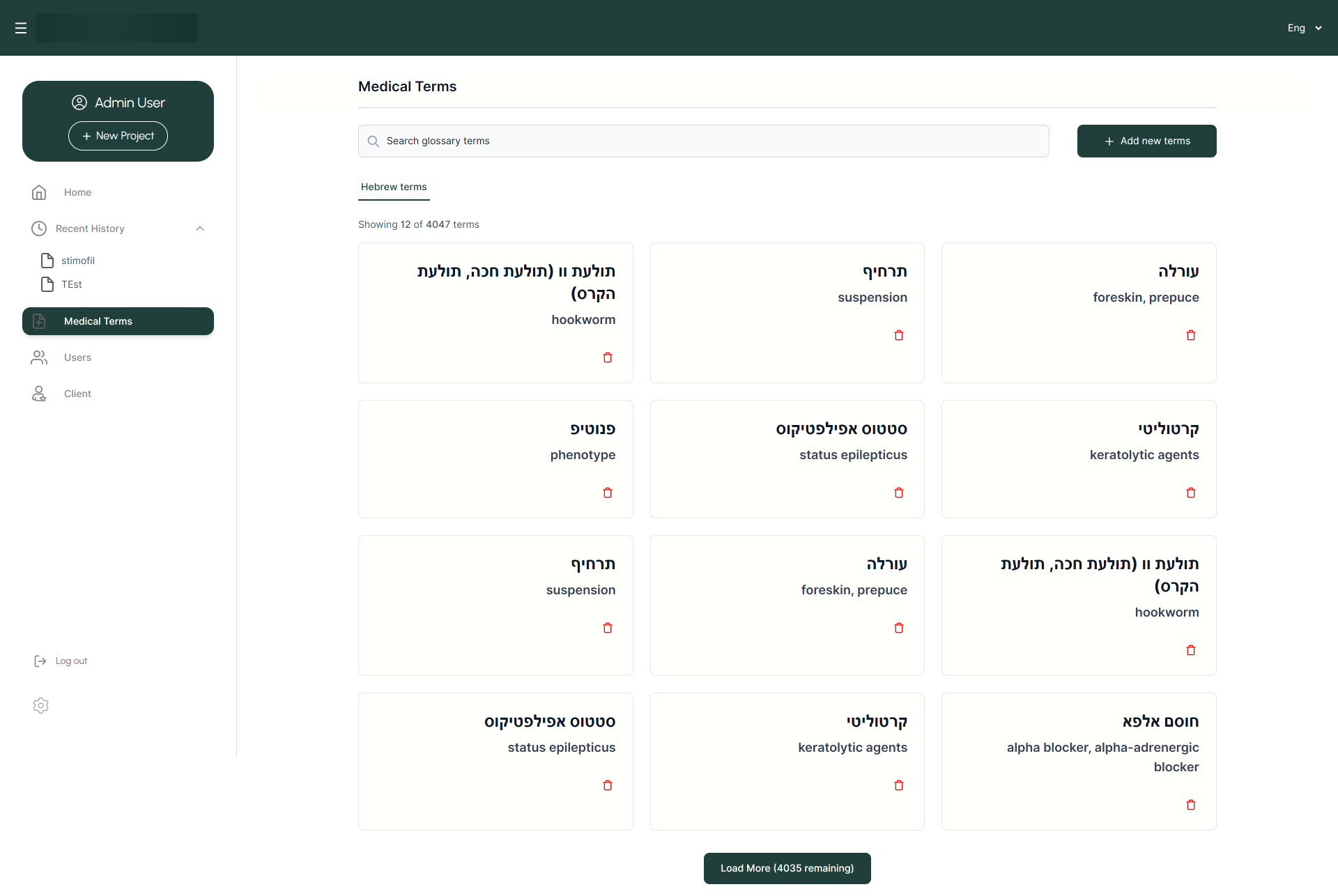
  • Clinical documents require strict terminology consistency across products and submissions; manual workflows often produce inconsistent wording. Reference documents and controlled phrase matching enforce approved clinical terminology across translations.

Regulatory & Clinical Accuracy Risks

  • Mistranslating dosages, drug names, warnings or contraindications can create serious regulatory and compliance risks. A highly controlled AI pipeline with anti-hallucination safeguards and automated quality validation preserves clinical meaning.

Key Features & Technical Capabilities

Clean English DOCX Output Generation

The platform generates a downloadable English .docx that replicates the original document structure with clean LTR formatting and professional regulatory presentation.

  • Replicates original structure
  • Clean LTR formatting
  • Arial font styling
  • Regulatory presentation standards

Controlled AI Translation Pipeline

The translation engine uses Claude AI with a highly specialized 185-rule system prompt designed specifically for pharmaceutical documentation.

  • Clinical accuracy
  • Anti-hallucination behavior
  • Brand & drug-name consistency
  • Controlled sentence structure
  • Regulatory-safe terminology

Reference Terminology Enforcement

When a reference English document is provided, the platform automatically reuses approved terminology and phrasing — e.g. “residual amounts” instead of “trace amounts”, “medicine” instead of “drug”.

  • Reuses approved phrasing
  • Consistency across submissions
  • Aligned across product families

Pharmaceutical Document Translation

The platform accepts Hebrew PILs and optional English reference documents, then generates a structured English translation aligned with regulatory and clinical requirements.

  • Hebrew PIL (.docx) input
  • Optional English reference docs
  • Structured, compliant output

Automated Multi-Pass Quality Assurance

Each translated segment undergoes automated checks and correction, combining LLM-based validation with deterministic fallback mechanisms for higher reliability.

  • Formatting consistency
  • Hebrew text-leakage detection
  • Broken XML repair
  • Color-code artifact cleanup
  • Dosage / clinical number checks

Translation Progress Monitoring

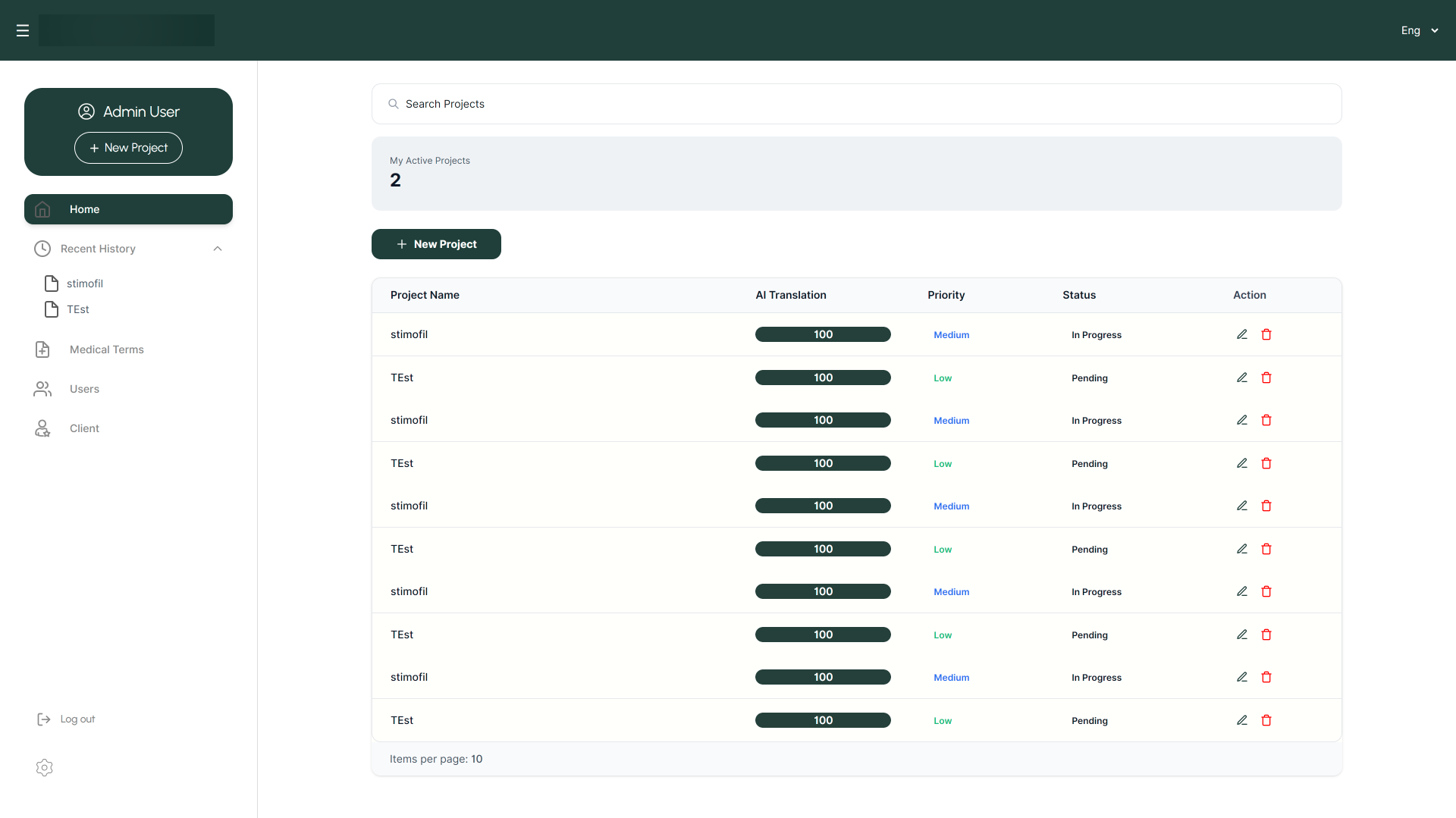
REST API-based job monitoring tracks translation progress from 0–100% for each document processing task.

  • REST API job tracking
  • 0–100% progress
  • Per-document status

Full OOXML Structure Preservation

The system preserves the original Microsoft Word document structure directly through OOXML processing — without relying on Microsoft Word itself.

  • Tables & layout preserved
  • Bold / italics / underline
  • Font sizes & indentation
  • RTL → LTR conversion

The platform generates a downloadable English .docx that replicates the original document structure with clean LTR formatting and professional regulatory presentation.

  • Replicates original structure
  • Clean LTR formatting
  • Arial font styling
  • Regulatory presentation standards

The translation engine uses Claude AI with a highly specialized 185-rule system prompt designed specifically for pharmaceutical documentation.

  • Clinical accuracy
  • Anti-hallucination behavior
  • Brand & drug-name consistency
  • Controlled sentence structure
  • Regulatory-safe terminology

When a reference English document is provided, the platform automatically reuses approved terminology and phrasing — e.g. “residual amounts” instead of “trace amounts”, “medicine” instead of “drug”.

  • Reuses approved phrasing
  • Consistency across submissions
  • Aligned across product families

The platform accepts Hebrew PILs and optional English reference documents, then generates a structured English translation aligned with regulatory and clinical requirements.

  • Hebrew PIL (.docx) input
  • Optional English reference docs
  • Structured, compliant output

Each translated segment undergoes automated checks and correction, combining LLM-based validation with deterministic fallback mechanisms for higher reliability.

  • Formatting consistency
  • Hebrew text-leakage detection
  • Broken XML repair
  • Color-code artifact cleanup
  • Dosage / clinical number checks

REST API-based job monitoring tracks translation progress from 0–100% for each document processing task.

  • REST API job tracking
  • 0–100% progress
  • Per-document status

The system preserves the original Microsoft Word document structure directly through OOXML processing — without relying on Microsoft Word itself.

  • Tables & layout preserved
  • Bold / italics / underline
  • Font sizes & indentation
  • RTL → LTR conversion

Overview

The platform compresses a slow, expensive, expert-dependent process into a minutes-long automated workflow — without sacrificing the precision regulators demand. Claude AI runs under a 185-rule pharmaceutical prompt with anti-hallucination safeguards; a multi-pass QA stage combines LLM validation with deterministic correction; and OOXML processing preserves the exact document structure while converting Hebrew RTL to English LTR. The result is regulatory-ready English PILs faithful to the source in meaning, terminology and formatting.

Icon

Industry

Pharmaceutical / Regulatory

Icon

Region

Global

Icon

Submission Region

Israel → EMA · FDA · UK MHRA

Technical Stack

image
image
image
image
image
image
image

Our Role

Icon

Development

Icon

AI Engineering

Icon

Deployment on Server

Project Highlights

  • Minutes, Not Days
    Translation-ready English drafts generated within minutes.
  • Claude AI Pipeline
    185-rule system prompt tuned for pharma documentation.
  • Anti-Hallucination Safeguards
    Preserves dosages, drug names and warnings.
  • Terminology Enforcement
    Reuses approved phrasing from reference documents.
  • Multi-Pass QA
    LLM validation plus deterministic fallback correction.
  • OOXML Preservation
    Exact tables, formatting and layout — no MS Word needed.
  • RTL → LTR Conversion
    Hebrew source to clean left-to-right English.
  • Progress Monitoring
    REST API job tracking from 0–100%.
image
image
image
image
image
image
image

Project Screenshots

Get a Free Consultation Today!